RV Reducer
RV Reducer
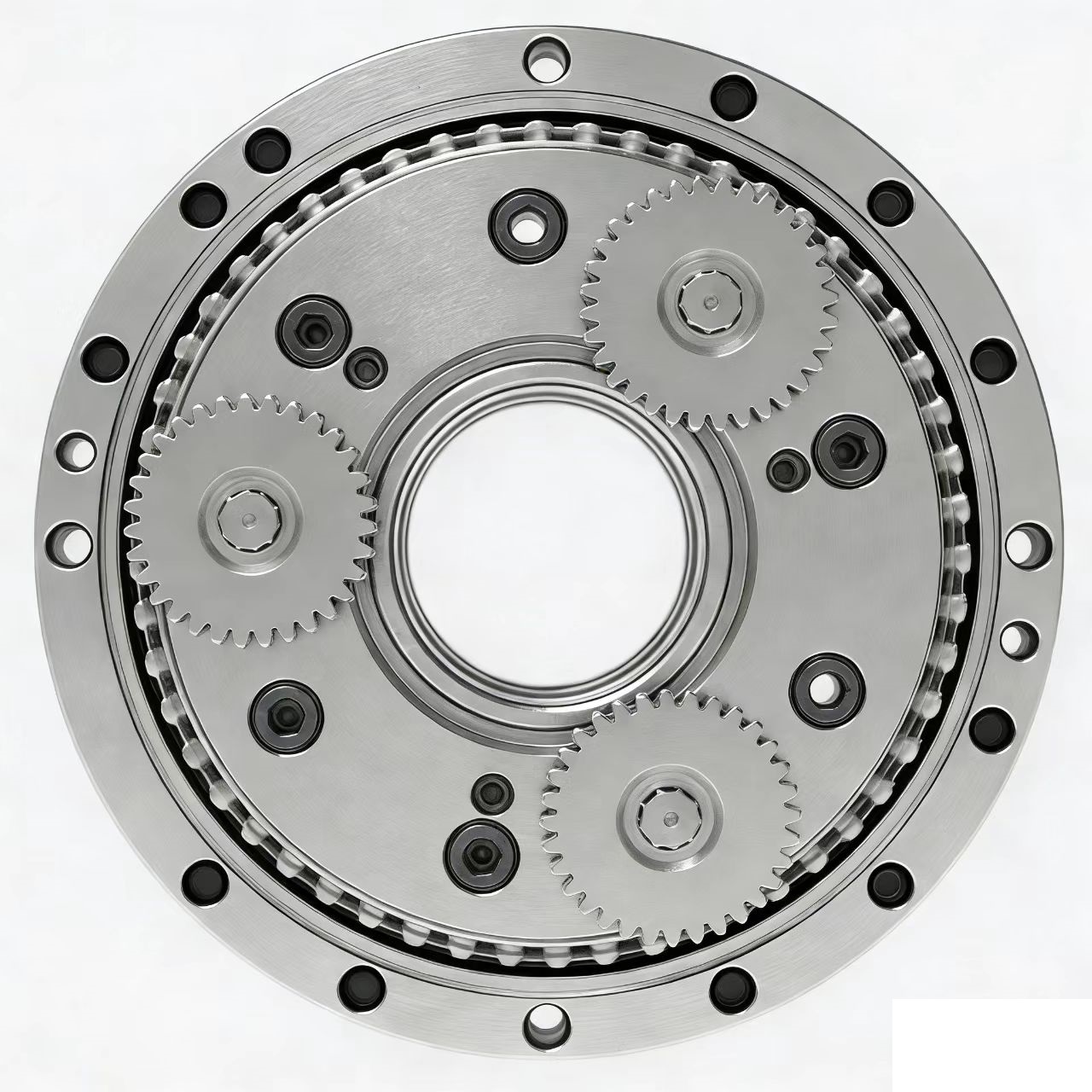
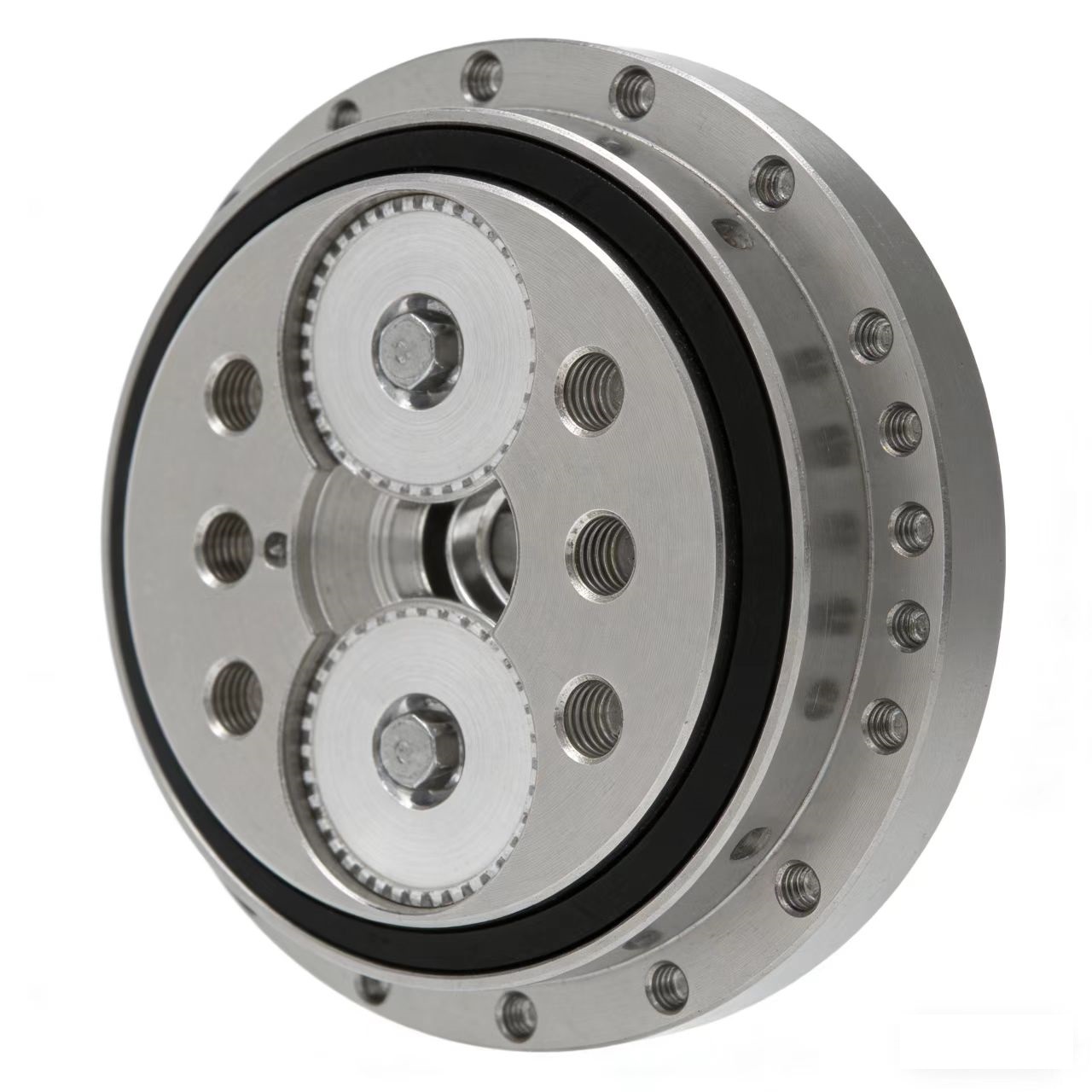
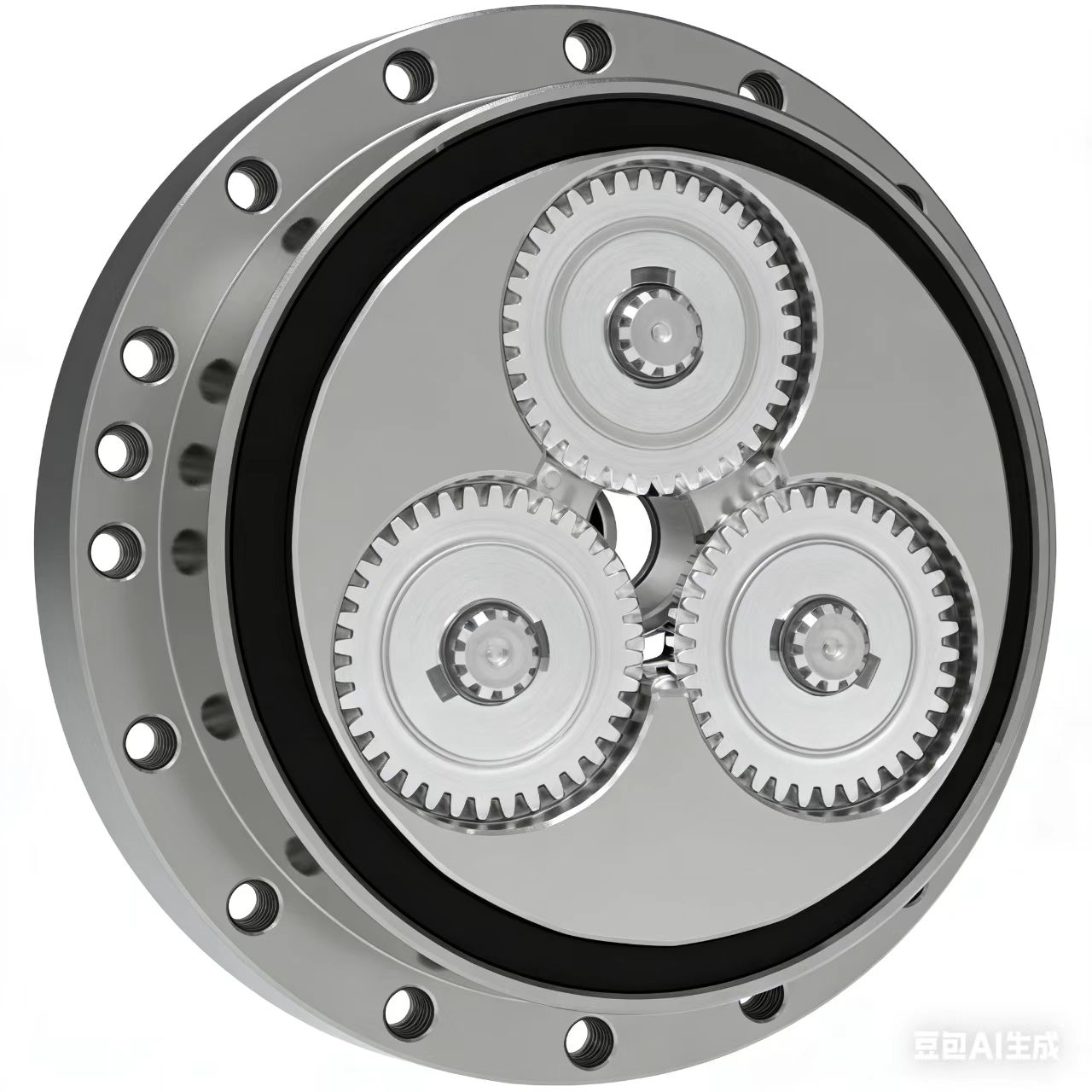
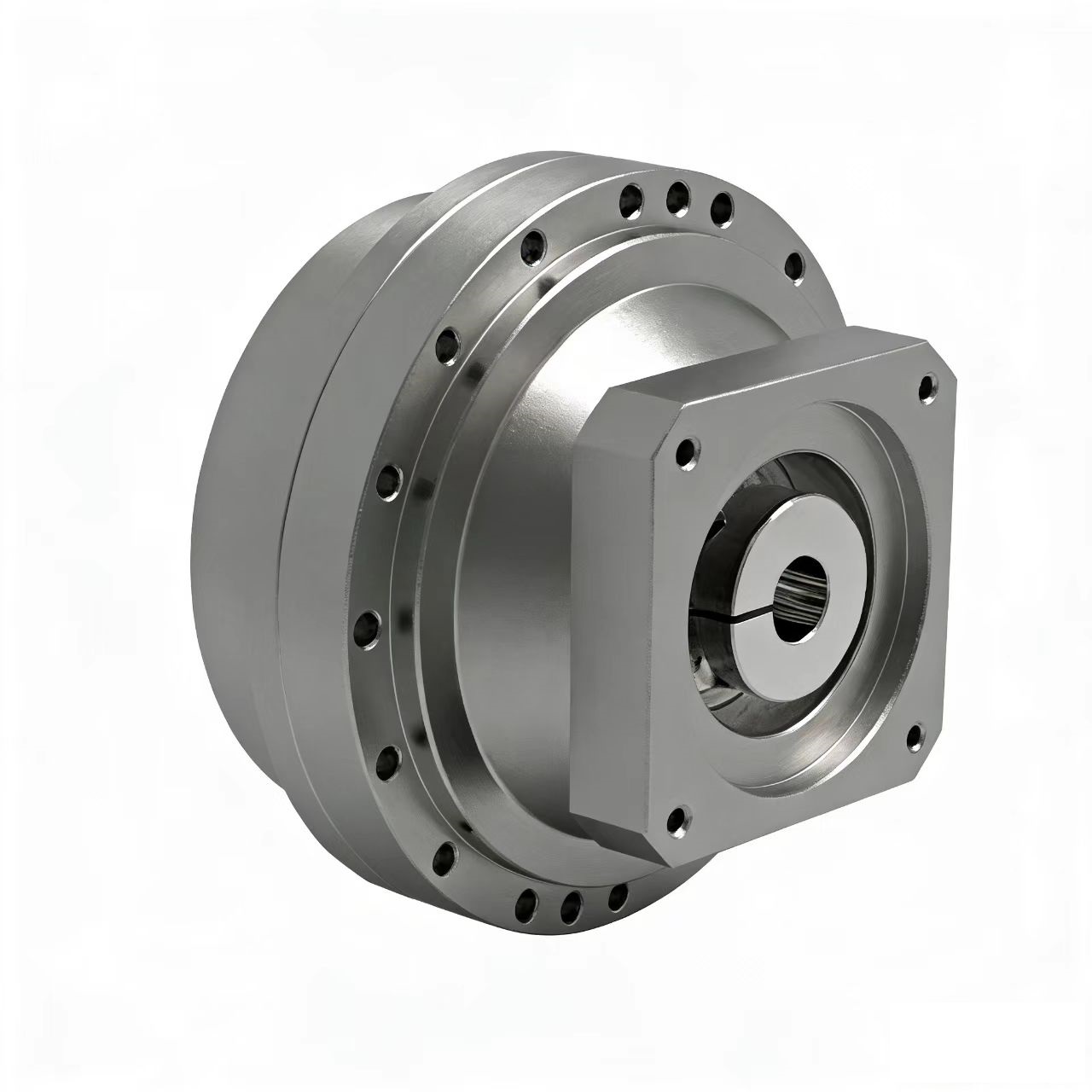
An RV (Rotary Vector) reducer is a high-precision, two-stage gearbox combining planetary and cycloidal gears, widely used in industrial robotics for joints requiring high torque, rigidity, and accuracy. It uses eccentric crankshafts to drive cycloid discs, minimizing backlash and providing long service life compared to harmonic drives.
Key Characteristics & Advantages
- Structure: Comprises a first-stage planetary gear and a second-stage cycloidal pinwheel drive.
- Performance: Features high reduction ratios, high shock resistance, and high torsional stiffness.
- Precision: Offers superior motion accuracy, making it ideal for the first four joints of industrial robots (up to 20kg+ payloads).
- Types: Available in E Series (solid-shaft) and C Series (hollow-shaft) configurations.
Common Applications
- Industrial Robots: Essential for articulated arms, especially in joints 1–4.
- Automation: Used in rotary tables, CNC machines, and medical testing equipment.
- Heavy Duty: Preferred over harmonic drives for heavy-load, high-rigidity requirements.
Components & Working Principle
- Input: A motor drives a central pinion (sun gear).
- Stage 1: Planetary gears mesh with the sun gear and drive crankshafts.
- Stage 2: The crankshafts induce eccentric motion in cycloidal discs, causing them to roll along an outer casing.
- Output: The cycloidal discs transmit low-speed, high-torque motion to the output flange.
The "RV" refers to the rotary vector, representing the orbiting motion of the eccentrically mounted crankshafts.